
Views: 0 Author: Sylvia Publish Time: 2025-07-29 Origin: Site
Common PE Pipe Jointing Techniques
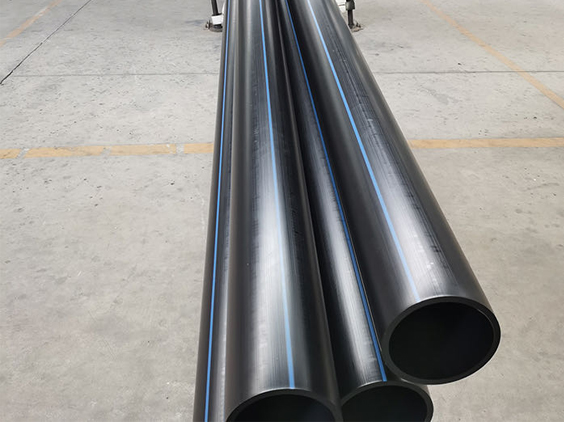
Polyethylene (PE) pipes can be connected using a variety of methods depending on pipe diameter, working pressure, and installation environment. Selecting the proper connection method ensures a leak-free, durable piping system. Below are the five most used PE pipe connection methods in municipal water supply:
1. Butt Fusion / Socket Fusion
This method uses specialized heating tools to melt the ends of the PE pipes or fittings. After reaching the melting temperature, the parts are pressed together under constant pressure until cooled.
Types of fusion: Butt fusion/ Socket fusion/ Saddle fusion
2. Electrofusion
Electrofusion involves connecting pipes or fittings using electrofusion couplings embedded with resistance wires. The embedded wire heats the joint area when powered, melting the material and forming a permanent bond.
Types include: Electrofusion socket joint/ Electrofusion saddle joint
3. Flexible Socket Joint
Inspired by the joint structure used in ductile iron and PVC-U pipes, one end of the PE pipe is welded with a reinforced socket. During assembly, the plain end is inserted into the socket, and a locking ring and rubber seal inside the socket ensure secure sealing and pull-out resistance.
4. Flange Connection
This method is mainly used to connect PE pipes with metal pipes, valves, meters, or other components. It consists of PE flange adaptors, metal backing rings, sealing gaskets, bolts, and nuts. Tightening the bolts creates a sealed joint.
5. Steel-Plastic Transition Joint
This connection uses a pre-fabricated transition fitting combining steel and PE ends. Equipped with locking rings and sealing rings inside, these joints offer excellent sealing, pressure resistance, and pull-out strength, ensuring reliable performance in hybrid systems.
 +86-159-4028-5978


